
Art, culture, food and leisure
These are the words that best describe Tuscany, one of the most gorgeous regions in the world.
ART
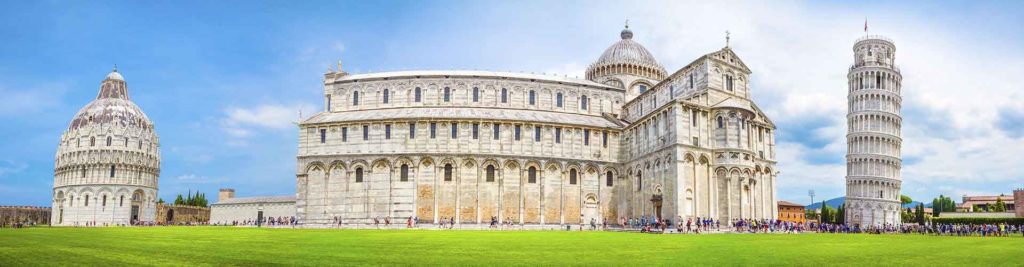
Pisa, with its one and only Leaning Tower, offers a unique setting for unforgettable experiences. The first place with a remarkable group of buildings is Piazza del Duomo, the so-called Piazza dei Miracoli (Square of Miracles). This piazza contains the Duomo, the baptistery, the Leaning Tower and the camposanto (cemetery).
CULTURE
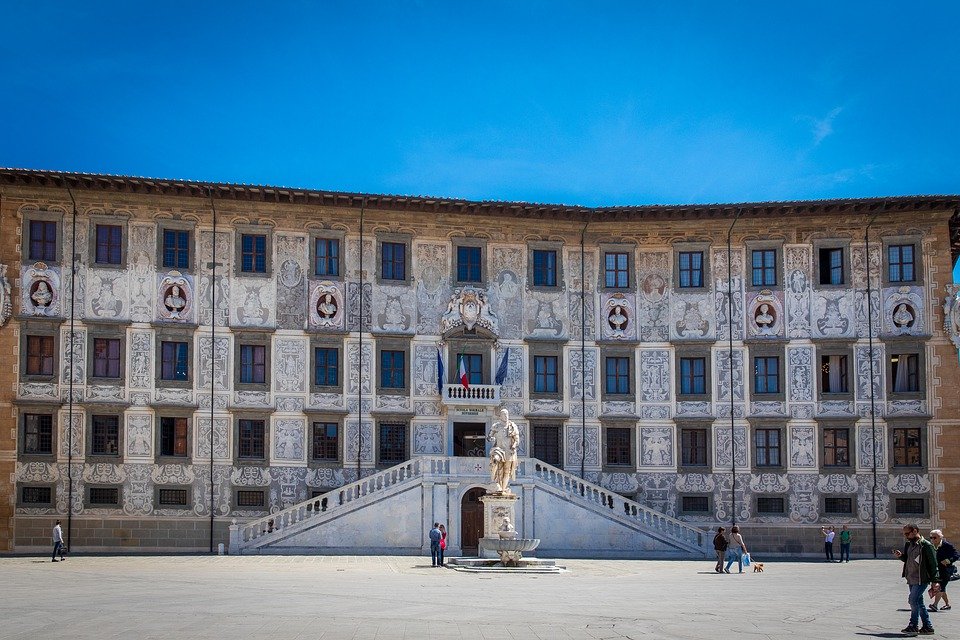
Pisa’s city centre offers a wide range of meeting places such as bars, pubs, restaurants, pizzerias and discos. Usually the night life revolves around two mains squares: Piazza Garibaldi and Piazza Vettovaglie, where students may enjoy the Italian “aperitivo” (happy hour). From the month of June there are also some characteristic bars on the shores of the Arno river called Arno Vivo, right in front of the Department of Economics, and Argine e Margine.
Given the position of the city, public transportation and in order to have a great experience, I suggest everybody to have a stroll in some locations in Tuscany, do not miss:
- Firenze (Florence) among the monuments the students can see there are: the Cathedral of Santa Maria del Fiore, the Uffizi’s Gallery, Ponte Vecchio (a medieval bridge where many of the artisanal jewellers can be found), the Basilica di Santa Croce and many others masterpieces.
- Lucca, where students can go for a walk on “Le Mura” which are defensive walls that show Roman, Medieval and Renaissance constructions.
- Siena, which still today has the structure of a medieval village with narrow streets and aristocratic buildings, and where tourists can visit Piazza del Campo – the square where the Palio takes place – and the Duomo.
- Last but not least, there are also some characteristic medieval towns that are worth seeing, such as Volterra, San Gimignano and Vinci.
Other than these locations I also suggest some beach locations which students can visit easily with public transportation, such as:
- Le Cinque Terre, this location consists of 5 towns, Riomaggiore, Manarola, Corniglia, Monterosso e Vernazza, in the cliffs of the Riviera di Levante, situated in the neighboring region of Liguria. One of the main attractions is the path carved in the cliffs between the villages called Via dell’Amore (Path of Love).
- Tirrenia is the nearest beach location from Pisa, it’s accessible by bus or car and it takes about 10 to 20 minutes to get there.
- La Versilia is a very popular location during the summer as it’s seen as the heart of the night life. It consists of different cities such as Viareggio, Marina di Pietrasanta and Forte dei Marmi.
FOOD AND LEISURE
The city of Pisa is student-friendly and designed around student life, with a compact layout, vibrant campus areas and services tailored to students’ needs.
The main days of celebration are:

- La Luminara (16th June), on the eve of the Patron Saint day, all the buildings facades on the Arno river are illuminated by candles and nightlights. The celebration reaches its peek at midnight with a firework show.
- Palio of San Ranieri (17th June), in the afternoon four boats representing the colours of the most ancient district of the city take part in a regatta on the river Arno.
- The Gioco del Ponte (Battle of the Bridge) takes place the last Sunday of June, it’s played on Ponte di Mezzo between the teams of Tramontana and Mezzogionro.
- Pisa Book Festival takes place mid October, it consists of reading, publishing workshops and discussion take place and food is available.
Living costs are significantly lower than larger metropolitan European and Italian areas (a single room in a shared apartment ranges from 350 to 450 euro) while daily expenses such as food, transport and leisure remain moderate, ensuring a high quality of life in the heart of Tuscany. Pisa also represents an excellent value for money for international students. As a public university, it offers high-quality academic education with reasonable tuition fees, designed to ensure broad and fair access to higher education.